
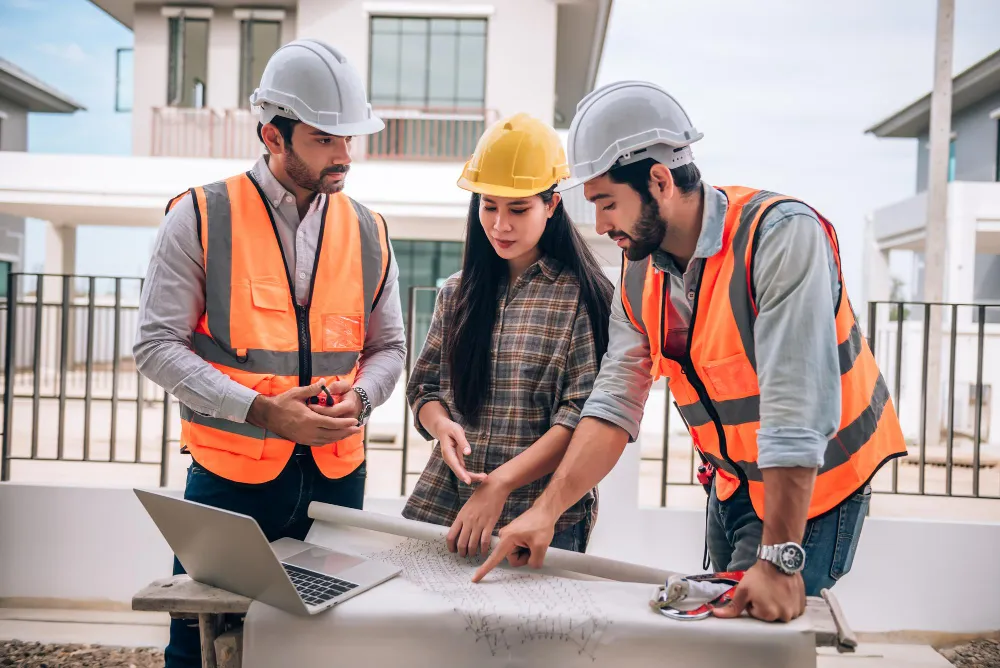
Constructing a house is one of the most important financial and emotional decisions a person will make in their lifetime. A home is not just a physical structure built from bricks, steel, and concrete—it is a long-term investment that provides safety, comfort, and stability for your family.
However, house construction is a complex process that requires detailed planning, budgeting, technical design, legal approvals, and professional execution. Many homeowners rush into construction without understanding the things to consider before constructing a house, which often leads to unexpected expenses, poor construction quality, delays, or structural issues later.
By understanding the important factors to consider before building a house, homeowners can ensure that their project is executed efficiently and results in a safe, durable, and well-designed home.
This guide explains the 13 most important things to consider before constructing a house, helping homeowners make informed decisions and avoid costly construction mistakes.
Why Proper Planning Before House Construction Is Essential
Many people believe that house construction simply involves hiring a contractor and starting the building work. In reality, successful construction projects require extensive planning and coordination between multiple professionals including architects, engineers, contractors, electricians, and plumbers.
Without proper planning, homeowners often encounter issues such as:
- Poor structural design
- Cracks in walls
- Water leakage and seepage
- Electrical safety problems
- Plumbing failures
- Delays in project completion
- Unexpected cost increases
By carefully understanding the factors to consider before building a house, homeowners can avoid these issues and ensure that their house is built according to modern construction standards.
Planning before construction also helps in:
- Selecting the right construction materials
- Designing efficient electrical and plumbing systems
- Managing the construction budget
- Ensuring legal compliance
- Maintaining construction quality
Ultimately, the more preparation you do before construction begins, the smoother the building process will be.
13 Essential Things to Consider Before Constructing a House
Let’s now look at the most important aspects homeowners should evaluate before starting construction.
Proper Budget Planning for House Construction
One of the most critical things to consider before constructing a house is preparing a detailed and realistic construction budget. Many homeowners underestimate the total cost involved in building a house because they focus only on the basic construction cost while ignoring additional expenses such as design fees, legal approvals, labour charges, and finishing work.
A well-planned construction budget helps homeowners manage expenses effectively and prevents financial stress during the project. Proper budgeting also allows you to prioritize essential construction components and maintain quality standards throughout the building process.
A complete house construction budget should include several important cost components.
Land Preparation Costs
Before starting construction, the land must be properly prepared to support the building structure. Site preparation is the first physical stage of construction and ensures that the ground is stable enough for building foundations.
Land preparation activities typically include:
- Clearing vegetation and debris from the site
- Excavation and leveling of the ground
- Soil testing to determine load-bearing capacity
- Temporary fencing and site protection
- Creating access paths for construction vehicles
Proper site preparation ensures that the building foundation is constructed on stable ground, which improves structural safety and durability.
Architectural and Design Fees
Architectural planning plays a critical role in creating a functional, efficient, and aesthetically appealing home. Architects transform the homeowner’s ideas into detailed building designs that follow engineering standards, safety guidelines, and municipal building regulations.
Architectural services typically include the preparation of technical drawings such as floor plans, elevation designs, and structural layouts.
Architects also plan:
- Room sizes and layout flow
- Ventilation and natural lighting
- Structural design coordination
- Electrical and plumbing layout planning
Hiring experienced architectural professionals ensures that the house design is practical, structurally safe, and suitable for the family’s lifestyle.
Construction Material Costs
Construction materials form the backbone of every building project and directly affect the durability, strength, and lifespan of the house. Using high-quality materials helps prevent structural damage, reduces maintenance costs, and improves the safety of the building.
Common construction materials used in residential projects include:
- Cement and concrete mixtures
- Bricks or AAC blocks for wall construction
- Steel reinforcement bars for structural support
- Sand and aggregates for concrete work
- Tiles, flooring materials, and finishing products
Although premium materials may increase the initial construction cost, they significantly improve the long-term durability of the house.
Labour Costs
Skilled labour is another major component of house construction. A residential building project requires a team of professionals with specialized skills to complete different stages of construction.
Typical construction labour teams include:
- Masons for brickwork and block construction
- Carpenters for shuttering and woodwork
- Electricians for wiring and power installations
- Plumbers for water supply and drainage systems
- Tile installers and flooring specialists
- Painters and finishing experts
Experienced workers ensure better construction quality, accurate workmanship, and faster project completion.
Legal Approvals and Building Permits
One of the most overlooked factors to consider before building a house is obtaining the required legal approvals. Every residential construction project must comply with local building regulations, zoning laws, and municipal construction guidelines.
Before starting construction, homeowners usually need to obtain several permissions such as:
- Building plan approval from local authorities
- Municipal construction permits
- Utility connection approvals
- Environmental compliance clearances in certain areas
Securing these approvals before construction begins prevents legal complications and ensures the building project follows all required regulations.
Interior Finishing Costs
Interior finishing significantly influences the final appearance, comfort, and functionality of the home. Many homeowners underestimate these costs when planning construction budgets, which can lead to financial strain during the final stages of building.
Interior finishing expenses may include:
- Flooring installation
- Kitchen cabinets and countertops
- Wardrobes and storage units
- Wall painting and decorative finishes
- Lighting fixtures and electrical fittings
Proper planning for interior finishing ensures that the house is both comfortable and visually appealing once construction is complete.
Choosing the Right Location for Your Home
Selecting the right location is another crucial factor to consider before building a house. Even a well-designed house may become inconvenient if it is built in an area with poor infrastructure, limited connectivity, or inadequate utilities.
The location of your home directly affects daily convenience, property value, and future investment potential. Before starting construction, homeowners should carefully evaluate several environmental and infrastructure factors.
Important aspects of location evaluation include the following.
Connectivity and Transportation
Easy accessibility to major roads and transportation networks improves daily convenience and commuting efficiency.
Location connectivity should be evaluated based on:
- Proximity to highways and main roads
- Access to public transportation
- Distance to workplaces or business districts
- Availability of metro or bus routes
Well-connected areas often experience higher property value appreciation.
Nearby Infrastructure
Living close to essential facilities significantly improves quality of life. Before selecting a location, check the availability of:
- Schools and educational institutions
- Hospitals and healthcare centers
- Grocery stores and markets
- Parks and recreational areas
- Banks and commercial establishments
A well-developed neighborhood makes daily living easier and more comfortable.
Water Availability
Water availability is a critical factor that many homeowners overlook when choosing a location. A reliable water source is essential for both construction activities and everyday household needs.
Before building a house, verify:
- Municipal water supply availability
- Borewell feasibility
- Underground water levels in the area
Proper water planning helps prevent future water shortages.
Soil Quality and Stability
The type and condition of soil significantly influence the strength of the building foundation. Weak or unstable soil may require deeper foundations and additional reinforcement, which increases construction costs.
Soil testing helps engineers determine:
- Soil bearing capacity
- Groundwater levels
- Soil composition and stability
This information helps structural engineers design safe and durable foundations.
House Design and Layout Planning
A well-planned architectural design is essential for creating a home that is comfortable, functional, and efficient. Before construction begins, homeowners should carefully plan the layout of the house based on family needs, lifestyle preferences, and future expansion possibilities.
Good design planning ensures that space is utilized efficiently while maintaining proper ventilation, lighting, and accessibility.
Important elements of house design planning include the following.
Family Size and Lifestyle Needs
The layout of the house should reflect the lifestyle and size of the family living in it.
For example:
- Large families may require additional bedrooms
- Work-from-home professionals may need office space
- Elderly family members may need ground-floor bedrooms
Designing the house based on lifestyle needs improves long-term comfort.
Natural Lighting and Ventilation
Proper ventilation and natural lighting are essential for maintaining a healthy indoor environment. Well-placed windows and ventilation openings allow sunlight and fresh air to circulate throughout the home.
Benefits of proper ventilation include:
- Improved indoor air quality
- Reduced humidity levels
- Lower electricity consumption for lighting
- A healthier living environment
Architects usually design window placements to maximize natural airflow.
Space Utilization and Storage Planning
Efficient use of available space ensures that every part of the home serves a functional purpose. Modern house designs often include open layouts that combine living, dining, and kitchen areas.
Additional planning may include:
- Built-in wardrobes and storage units
- Utility spaces for laundry and appliances
- Multi-purpose rooms
Smart space planning improves overall functionality.
Future Expansion Possibilities
Planning for future expansion is another important design consideration. Structural planning can allow homeowners to add additional floors or rooms later without major reconstruction.
Future expansion planning may include:
- Designing foundations for extra floors
- Leaving structural provisions for extensions
- Planning terrace access
This flexibility allows homeowners to adapt the house to changing needs.
Selecting High-Quality Construction Materials
Selecting the right construction materials is one of the most important things to consider before constructing a house because the quality of materials directly determines the durability, strength, and safety of the building. Poor material choices can lead to structural cracks, water leakage, higher maintenance costs, and reduced lifespan of the property.
Many homeowners try to reduce construction costs by choosing cheaper materials, but this often leads to expensive repairs in the future. High-quality construction materials ensure that the building structure remains stable, safe, and resistant to environmental factors such as heat, moisture, and structural stress.
Careful material selection during the planning stage helps maintain construction quality and ensures that your home remains strong and comfortable for decades.
Several key construction materials must be carefully selected when building a house.
Bricks or AAC Blocks
Bricks and blocks are the primary materials used for wall construction in residential buildings. Traditional clay bricks have been widely used for many decades because they provide good compressive strength and durability.
However, AAC (Autoclaved Aerated Concrete) blocks are becoming increasingly popular in modern construction due to their lightweight structure and thermal insulation properties.
Advantages of AAC blocks include:
- Better heat insulation inside the home
- Reduced structural load on the building
- Faster construction due to larger block size
- Improved sound insulation
Choosing the right wall material improves both structural efficiency and indoor comfort.
Cement and Concrete Quality
Cement is one of the most critical materials used in house construction. It plays a major role in building foundations, columns, beams, slabs, and plastering work. The quality and grade of cement directly affect the strength of the building structure.
Using high-grade cement ensures:
- Stronger concrete mixtures
- Reduced chances of cracks in structural elements
- Better bonding between materials
- Longer lifespan of the building
It is also important to ensure proper mixing ratios, curing time, and storage conditions to maintain cement quality during construction.
Steel Reinforcement
Steel reinforcement bars are used within concrete structures to increase tensile strength and structural stability. Concrete is strong under compression but weak under tension, which is why reinforcement steel is essential for supporting structural loads.
Steel reinforcement is commonly used in:
- Foundations
- Columns
- Beams
- Roof slabs
Using certified reinforcement steel and proper placement according to structural engineering designs ensures that the building can safely handle structural loads and environmental stress.
Sand and Aggregates
Sand and aggregates are essential materials used in concrete mixtures and mortar preparation. The quality of sand significantly affects the strength and bonding capacity of cement mixtures.
Construction projects typically use different types of sand such as:
- River sand for plastering and finishing
- Manufactured sand (M-sand) for concrete work
- Coarse aggregates for structural concrete
Using properly graded sand and aggregates improves the durability and stability of the building structure.
Waterproofing Materials
Waterproofing is an essential component of modern house construction because water seepage can cause serious damage to walls, ceilings, and structural elements. Without proper waterproofing, buildings may develop damp patches, mold growth, and structural deterioration over time.
Waterproofing materials are typically applied in areas exposed to moisture, including:
- Bathrooms and wet areas
- Balconies and terraces
- Roof slabs
- Basement walls
High-quality waterproofing systems protect the building from moisture damage and significantly reduce long-term maintenance costs.
Electrical and Plumbing Materials
Electrical wiring and plumbing systems are integral components of a modern home and should never be compromised during construction. Low-quality electrical cables or plumbing pipes can lead to serious safety risks and expensive repairs.
Important materials used in these systems include:
- High-quality electrical wiring and conduits
- Distribution boards and circuit breakers
- CPVC or UPVC plumbing pipes
- Durable water supply fittings
Choosing reliable materials ensures safe electrical systems and efficient water supply throughout the house.
Hiring the Right Construction Professionals
One of the most important things to consider before constructing a house is selecting the right professionals to handle your construction project. Building a home requires expertise from multiple specialists including architects, civil engineers, contractors, electricians, and plumbers. Choosing the wrong team can lead to structural problems, delays, poor workmanship, and higher long-term maintenance costs.
Experienced construction professionals ensure that every stage of the project—from planning and foundation work to finishing and handover—is executed according to engineering standards and safety guidelines. A skilled construction team also helps manage materials, labour, and timelines efficiently.
When hiring professionals for house construction, homeowners should consider several key roles.
Architects and Design Experts
Architects are responsible for designing the layout and appearance of your home. They convert your ideas into detailed architectural drawings that comply with building regulations and structural safety standards.
Architects typically handle:
- Floor plan design and space planning
- Building elevation and exterior aesthetics
- Ventilation and lighting planning
- Coordination with structural engineers
- Interior layout recommendations
Working with experienced architects ensures that your home is functional, visually appealing, and structurally well-planned.
Civil Engineers
Civil engineers are responsible for ensuring the structural stability and safety of the building. They design the foundation, columns, beams, and slabs to ensure the house can safely withstand structural loads and environmental factors.
Civil engineers typically oversee:
- Structural calculations and load analysis
- Foundation design based on soil conditions
- Reinforcement steel placement
- Concrete quality standards
- Structural safety inspections
Their expertise ensures that the building remains strong and durable for many years.
Licensed Contractors
Contractors manage the day-to-day execution of construction work. They coordinate labour teams, procure materials, and ensure that construction activities follow the approved design plans.
Reliable contractors usually provide:
- Skilled construction workers
- Construction scheduling and planning
- Material procurement and management
- Quality control during construction
- Coordination between different trades
Choosing experienced contractors helps prevent delays and ensures better construction quality.
Electrical and Plumbing Specialists
Electrical and plumbing systems are essential components of modern homes and should always be installed by trained professionals. Poor installation can lead to safety hazards such as electrical failures, water leakage, or pipe blockages.
Specialized technicians handle:
- Electrical wiring and distribution boards
- Plumbing pipelines and drainage systems
- Water tank connections and pumps
- Safety installations such as earthing systems
Hiring certified specialists ensures safe and reliable utility systems.
Understanding Legal Requirements and Building Regulations
Legal compliance is another essential factor to consider before building a house. Every residential construction project must follow local building codes, zoning regulations, and municipal approval processes. Ignoring legal requirements can result in fines, construction delays, or even demolition of unauthorized structures.
Before starting construction, homeowners must ensure that all necessary permissions and documentation are completed according to local laws. Understanding legal requirements early in the planning stage helps prevent complications later in the project.
Several approvals and regulatory aspects must be considered.
Building Plan Approval
Before construction begins, homeowners must submit architectural drawings to local municipal authorities for approval. The building plan approval process ensures that the proposed construction complies with zoning regulations and building codes.
Approved plans typically confirm:
- Permitted building height
- Floor area ratio (FAR) limits
- Setback distances from property boundaries
- Structural safety guidelines
Obtaining building plan approval ensures that the construction project is legally permitted.
Zoning and Land Use Regulations
Different areas are designated for residential, commercial, or mixed-use development. Zoning regulations determine what type of construction is allowed on a particular property.
Homeowners should verify:
- Land classification and zoning rules
- Allowed number of floors
- Construction coverage limits
- Road access requirements
Understanding zoning regulations prevents future legal disputes.
Utility Connection Permissions
Before occupying the home, homeowners must obtain approvals for utility connections such as electricity, water supply, and sewage systems.
Utility approvals typically involve:
- Electrical service connections
- Water supply pipeline connections
- Sewage and drainage approvals
- Gas line installations in certain areas
Proper utility planning ensures the house is ready for comfortable living after construction.
Property Documentation and Registration
Proper legal documentation ensures that the property ownership is valid and free from disputes. Homeowners should verify all land documents before beginning construction.
Important property documents include:
- Land ownership title deeds
- Encumbrance certificates
- Property tax records
- Local authority approvals
Ensuring clear documentation protects homeowners from legal complications.
Planning for Future Needs and Lifestyle Changes
When planning a home, it is important to think beyond immediate needs. One of the most practical things to consider before constructing a house is designing the property in a way that accommodates future lifestyle changes and family growth.
A house built today may need to serve the family for several decades. Therefore, homeowners should consider factors such as expanding families, aging parents, work-from-home spaces, and changing technology requirements.
Future-focused planning helps reduce the need for expensive renovations later.
Several aspects of future planning should be considered.
Family Expansion
Families grow and evolve over time, which may require additional rooms or living spaces. Designing the house with future expansion in mind ensures flexibility.
Planning considerations may include:
- Extra bedrooms or guest rooms
- Larger living areas for family gatherings
- Playrooms for children
Planning early prevents structural modifications later.
Work-From-Home Spaces
With remote work becoming increasingly common, many homeowners require dedicated workspaces within their homes.
Home office design may include:
- Quiet rooms for meetings
- Adequate electrical outlets and internet connectivity
- Comfortable lighting and ventilation
Providing workspace areas improves productivity and convenience.
Elderly-Friendly Design
Homes designed with accessibility in mind are more comfortable for elderly family members. Small design decisions can make a significant difference in long-term usability.
Accessibility considerations may include:
- Ground-floor bedrooms
- Wider doorways and hallways
- Non-slip flooring materials
- Staircase safety railings
These features make the home safer and easier to navigate.
Structural Provision for Future Floors
Some homeowners plan to add additional floors later as the family grows. Structural engineers can design the building foundation and columns to support future vertical expansion.
Planning for future floors may involve:
- Stronger foundations
- Additional reinforcement steel
- Roof slab preparation for future construction
This approach allows homeowners to expand their homes without rebuilding the entire structure.
Incorporating Energy Efficiency in Home Construction
Energy efficiency is becoming increasingly important in modern residential construction. Designing an energy-efficient home helps reduce electricity bills, improve indoor comfort, and minimize environmental impact.
Incorporating energy-efficient features during construction is much easier and more cost-effective than adding them later.
Several strategies can improve the energy performance of a home.
Natural Lighting Design
Maximizing natural daylight inside the house reduces the need for artificial lighting during the daytime. Proper placement of windows, skylights, and ventilation openings allows sunlight to enter the building.
Benefits of natural lighting include:
- Lower electricity consumption
- Improved indoor atmosphere
- Health benefits from sunlight exposure
Architects often design window orientations based on sunlight direction.
Thermal Insulation Materials
Thermal insulation helps regulate indoor temperature and reduces heat transfer between indoor and outdoor environments.
Insulation materials may include:
- Insulated roofing materials
- AAC blocks with thermal resistance
- Double-glazed windows
These materials keep homes cooler in hot climates and reduce air conditioning usage.
Energy-Efficient Appliances
Modern appliances consume less electricity and operate more efficiently compared to older models.
Energy-efficient home systems may include:
- LED lighting systems
- Energy-rated air conditioners
- Smart thermostats
- Efficient water heating systems
Using efficient appliances helps lower energy bills over time.
Solar Power Integration
Solar energy systems allow homeowners to generate renewable electricity from sunlight. Installing solar panels can significantly reduce electricity costs and support sustainable living.
Solar installations may include:
- Rooftop solar panels
- Solar water heaters
- Battery storage systems
Many modern homes are designed with solar-ready rooftops.
Safety and Security Planning
Safety is a crucial consideration when designing and constructing a home. A well-planned house should include multiple safety features that protect both the building structure and the people living inside it.
Incorporating safety features during construction ensures that the home remains secure and resilient against potential risks such as electrical hazards, fire accidents, or structural failures.
Important safety elements should be integrated into the construction plan.
Fire Safety Systems
Fire safety systems help protect homes from potential fire hazards. Installing early detection and prevention systems significantly reduces risks.
Common fire safety features include:
- Smoke detectors and alarms
- Fire extinguishers in key areas
- Fire-resistant building materials
These systems improve safety for occupants.
Electrical Safety Measures
Electrical systems must be designed according to safety standards to prevent short circuits and electrical shocks.
Important electrical safety components include:
- Proper earthing systems
- Circuit breakers and RCCB protection
- Surge protection devices
These safety features protect both people and electrical appliances.
Secure Doors and Windows
Security is another important aspect of home design. Installing strong doors and secure locking systems helps prevent unauthorized entry.
Security measures may include:
- Reinforced doors and window frames
- Advanced locking systems
- Video doorbells or CCTV cameras
These features enhance overall home security.
Outdoor Lighting and Visibility
Exterior lighting improves safety by illuminating pathways, driveways, and entrances during nighttime. Well-lit outdoor areas also discourage intruders and improve visibility around the property.
Common outdoor lighting installations include:
- Motion-sensor lights
- Garden pathway lighting
- Security floodlights
Proper lighting enhances both safety and convenience.
Construction Quality Inspections and Supervision
One of the most overlooked things to consider before constructing a house is ensuring continuous quality inspections throughout the construction process. Even with experienced contractors and engineers, regular monitoring is essential to maintain construction standards and prevent costly mistakes.
Construction projects involve multiple stages, such as excavation, foundation work, structural framing, masonry, plumbing installation, and finishing. Each stage requires proper supervision to ensure that materials, measurements, and workmanship follow approved plans and engineering guidelines.
Without proper inspections, small errors during early construction stages can lead to serious structural problems later. Therefore, homeowners should implement systematic quality checks throughout the project.
Several inspection stages are critical during house construction.
Foundation Inspection
The foundation is the most important structural component of any building. A weak foundation can lead to cracks, uneven settlement, or even structural failure.
Foundation inspections typically involve checking:
- Excavation depth and alignment
- Soil stability before concrete pouring
- Reinforcement steel placement
- Concrete mixture quality
Ensuring proper foundation construction guarantees long-term structural safety.
Structural Frame Inspection
After the foundation is completed, the building’s structural frame—including columns, beams, and slabs—must be inspected carefully.
Structural inspections verify:
- Steel reinforcement placement
- Concrete curing processes
- Alignment and dimensions of structural elements
- Load-bearing calculations
These checks ensure the building can safely handle structural loads.
Masonry and Wall Construction Checks
During wall construction, masons build brick or block walls that form the main structure of the building envelope. Poor masonry work can cause cracks, uneven walls, and alignment problems.
Quality checks during masonry work include:
- Proper mortar mix ratios
- Wall alignment and vertical leveling
- Correct spacing for doors and windows
- Structural bonding patterns in brickwork
Proper masonry inspections ensure durable and straight wall structures.
Finishing Work Inspection
Finishing stages include plastering, flooring, electrical fittings, and painting. While these elements may seem cosmetic, poor finishing can affect the comfort and longevity of the home.
Finishing inspections typically check:
- Smooth plaster application
- Proper tile alignment and leveling
- Electrical outlet placement
- Plumbing fixture installation
Regular supervision ensures the final home meets quality expectations.
Project Timeline and Construction Management
Another important factor to consider before building a house is establishing a clear construction timeline and project management plan. Building a home involves multiple sequential stages, and delays in one stage can affect the entire construction schedule.
Proper project planning helps homeowners track progress, manage labour teams, and ensure that the project is completed within the expected timeframe. Without structured planning, construction projects may experience delays due to material shortages, labour availability issues, or coordination problems between workers.
Effective project management ensures smooth workflow from start to finish.
Several elements are important when planning construction timelines.
Construction Phase Planning
A residential building project typically follows several major phases such as site preparation, foundation work, structural construction, masonry, service installations, and finishing.
Planning these phases helps ensure:
- Proper sequencing of work
- Efficient use of labour resources
- Timely material deliveries
Clear planning minimizes construction interruptions.
Labour Coordination
Construction projects require coordination between multiple labour teams working at different stages of the project. For example, electricians and plumbers must complete installations before walls are plastered.
Labour coordination ensures that:
- Workers perform tasks in the correct sequence
- Workspaces remain organized
- Project delays are minimized
Proper scheduling improves overall efficiency.
Material Supply Management
Material shortages are one of the most common causes of construction delays. Proper supply management ensures that materials arrive on site before each stage begins.
Material planning typically includes:
- Scheduling bulk material deliveries
- Storing materials safely on site
- Monitoring inventory levels
Efficient supply management keeps construction progress steady.
Progress Monitoring
Regular progress monitoring allows homeowners to track whether the project is moving according to schedule.
Monitoring methods may include:
- Weekly site inspections
- Construction progress reports
- Photo and video updates from the site
These methods help ensure that deadlines are met.
Communication and Coordination with Contractors
Clear communication between homeowners and construction professionals is another essential thing to consider before constructing a house. Construction projects involve many decisions related to design changes, material selection, scheduling adjustments, and finishing preferences.
Without effective communication, misunderstandings may arise between homeowners, architects, engineers, and contractors. These misunderstandings can lead to costly errors, construction delays, or unsatisfactory results.
Maintaining open communication ensures that everyone involved in the project understands expectations and responsibilities.
Several communication practices help ensure smooth construction management.
Regular Project Meetings
Scheduling regular meetings with contractors and project supervisors helps review construction progress and address any concerns early.
During project meetings, homeowners can discuss:
- Construction progress updates
- Design clarifications
- Material approvals
- Upcoming construction stages
These discussions ensure that the project stays aligned with the original plan.
Clear Documentation
Construction decisions should always be documented to avoid confusion later. Written agreements, drawings, and change requests provide clear reference points for all parties involved.
Documentation may include:
- Approved architectural drawings
- Construction contracts
- Material specifications
- Payment schedules
Proper documentation protects both homeowners and contractors.
Addressing Issues Early
Construction issues such as alignment errors, plumbing conflicts, or material defects should be addressed as soon as they are discovered.
Early problem resolution helps:
- Prevent structural damage
- Avoid expensive rework
- Maintain project timelines
Prompt communication ensures that problems are corrected quickly.
Transparent Budget Discussions
Open discussions about construction costs help maintain trust between homeowners and contractors. Budget transparency allows both parties to plan expenses effectively and avoid financial misunderstandings.
Budget discussions typically include:
- Material cost updates
- Labour cost adjustments
- Additional work requests
Clear financial communication keeps the project organized.
Financing Options for House Construction
Financing is one of the most critical things to consider before constructing a house because construction projects require significant financial investment. Proper financial planning ensures that homeowners can complete the building project without interruptions caused by funding shortages.
Many homeowners rely on savings, bank loans, or construction financing options to fund their projects. Understanding available financing options helps homeowners choose the most suitable solution for their financial situation.
Several financial aspects should be evaluated before starting construction.
Home Construction Loans
Many banks and financial institutions offer home construction loans specifically designed for residential building projects. These loans provide funds in stages as construction progresses.
Construction loans typically cover:
- Foundation and structural work
- Labour costs
- Building materials
- Interior finishing
These loans help homeowners manage construction expenses gradually.
Interest Rates and Loan Terms
When choosing a construction loan, homeowners should carefully evaluate the interest rates, repayment terms, and processing fees offered by different lenders.
Important loan considerations include:
- Fixed or floating interest rates
- Loan repayment period
- Monthly installment affordability
Comparing loan options helps homeowners secure the best financing terms.
Construction Budget Tracking
Even when financing is secured, homeowners should monitor construction expenses carefully. Budget tracking helps prevent overspending and ensures that funds are used efficiently.
Financial tracking may involve:
- Maintaining construction expense records
- Reviewing contractor invoices
- Monitoring material costs
Proper financial management helps keep the project within budget.
Consulting Financial Advisors
For large construction projects, consulting a financial advisor can help homeowners create a structured funding plan. Advisors can assist in evaluating loan options, tax benefits, and long-term financial implications. Professional financial guidance ensures better financial stability during the construction process.
Conclusion
We have covered a detailed guide on the things to consider before constructing a house, highlighting the essential factors every homeowner should evaluate before starting a building project. From budget planning and location selection to choosing quality materials, hiring experienced professionals, and ensuring proper supervision, each step plays a crucial role in successful home construction. Careful planning helps prevent costly mistakes, delays, and structural issues. By following these considerations and working with trusted construction experts, you can confidently build a safe, durable, and comfortable home for your family.
Build Your Dream Home with Indian Mestri
Planning to build a home in Bangalore? Choosing the right construction partner is one of the most important things to consider before constructing a house. At Indian Mestri, we help homeowners turn their dream homes into reality with reliable, professional construction services.
Indian Mestri connects you with verified and trained mestris, civil contractors, plumbers, and electricians who follow strict quality standards and transparent project management practices. From foundation to finishing, our team ensures your house construction project is completed safely, efficiently, and on schedule.
Our construction services include:
- Complete house construction services
- Home renovation and remodeling
- Brick masonry and plastering work
- Residential plumbing installations
- Electrical wiring and safety systems
- Site supervision and progress reporting
With experienced professionals, transparent communication, and reliable workmanship, Indian Mestri helps homeowners build high-quality homes without unnecessary stress.
Whether you are planning a new home construction, renovation, or structural upgrade, our team is ready to support your project from start to finish.
📞 Call Us: +91 9945454581
📧 Email: hello@indianmestri.com
📍 Location: Bangalore, Karnataka
👉 Get in touch with Indian Mestri today and start building your dream home with trusted construction experts.
FAQs
What are the most important things to consider before constructing a house?
Before constructing a house, homeowners should carefully evaluate several important factors such as budget planning, location selection, soil testing, architectural design, and construction materials. It is also essential to hire experienced contractors, obtain legal approvals, and ensure proper supervision during construction. These considerations help avoid costly mistakes, delays, and structural problems. Planning utilities such as electrical wiring, plumbing systems, and ventilation is equally important. Proper preparation ensures your house construction project runs smoothly and results in a safe, durable, and comfortable home.
How much does it cost to construct a house in India?
The cost of constructing a house in India depends on factors such as location, material quality, labour costs, and the design complexity of the building. On average, residential construction costs range between ₹1,000 and ₹3,500 per square foot or more. Premium finishes, high-end materials, and complex architectural designs may increase the cost further. Other expenses include permits, architectural fees, electrical work, plumbing installations, and interior finishing. Proper budgeting is one of the most important things to consider before constructing a house.
How long does it usually take to build a house?
The time required to construct a house typically ranges between eight months and eighteen months depending on the size of the project, weather conditions, availability of labour, and construction complexity. Small residential homes may take less time, while larger or custom-designed houses may require longer construction periods. Factors such as material supply, approval processes, and contractor coordination also influence timelines. Proper planning, project management, and supervision are essential things to consider before constructing a house to ensure timely completion.
Why is soil testing important before building a house?
Soil testing is essential before building a house because it determines the load-bearing capacity and stability of the land. Different soil types require different foundation designs to ensure structural safety. Weak or unstable soil may require deeper foundations or reinforcement to support the building. Conducting soil tests helps engineers design safe and durable structures that prevent problems such as foundation cracks or uneven settlement. Soil analysis is one of the most critical things to consider before constructing a house.
What permits are required before constructing a house?
Before constructing a house, homeowners must obtain several permits and approvals from local authorities. These typically include building plan approval, zoning compliance verification, and permissions for electricity, water supply, and drainage systems. The exact requirements may vary depending on city regulations and local municipal rules. Securing these approvals ensures the construction project follows legal standards and avoids penalties or delays. Understanding legal requirements is one of the most important things to consider before constructing a house.
What materials are best for house construction?
Common materials used for house construction include cement, steel reinforcement, bricks or AAC blocks, sand, aggregates, plumbing pipes, and electrical wiring. Choosing high-quality materials improves the durability, safety, and lifespan of the building. AAC blocks are often preferred for better insulation, while high-grade cement and certified steel ensure strong structural support. Waterproofing materials are also important to prevent moisture damage. Selecting reliable materials is one of the most important things to consider before constructing a house.
Why is hiring professional contractors important?
Hiring professional contractors is essential because experienced professionals understand construction techniques, building regulations, and project management practices. Skilled contractors coordinate labour teams, manage materials, and ensure that construction follows architectural plans and engineering standards. Poor workmanship from inexperienced workers can cause structural issues, delays, and expensive repairs. Verified contractors also help maintain construction quality and timelines. Choosing reliable professionals is one of the key things to consider before constructing a house.
How can I make my home energy efficient during construction?
Indian Mestri helps homeowners build quality homes by providing access to verified mestris, skilled contractors, plumbers, and electricians. The platform offers reliable construction services including house construction, renovations, masonry work, plumbing installations, and electrical services. Indian Mestri ensures transparent communication, professional workmanship, and timely project completion. With experienced professionals and structured project coordination, homeowners receive dependable construction support. Choosing trusted construction partners like Indian Mestri is an important step before constructing a house.