
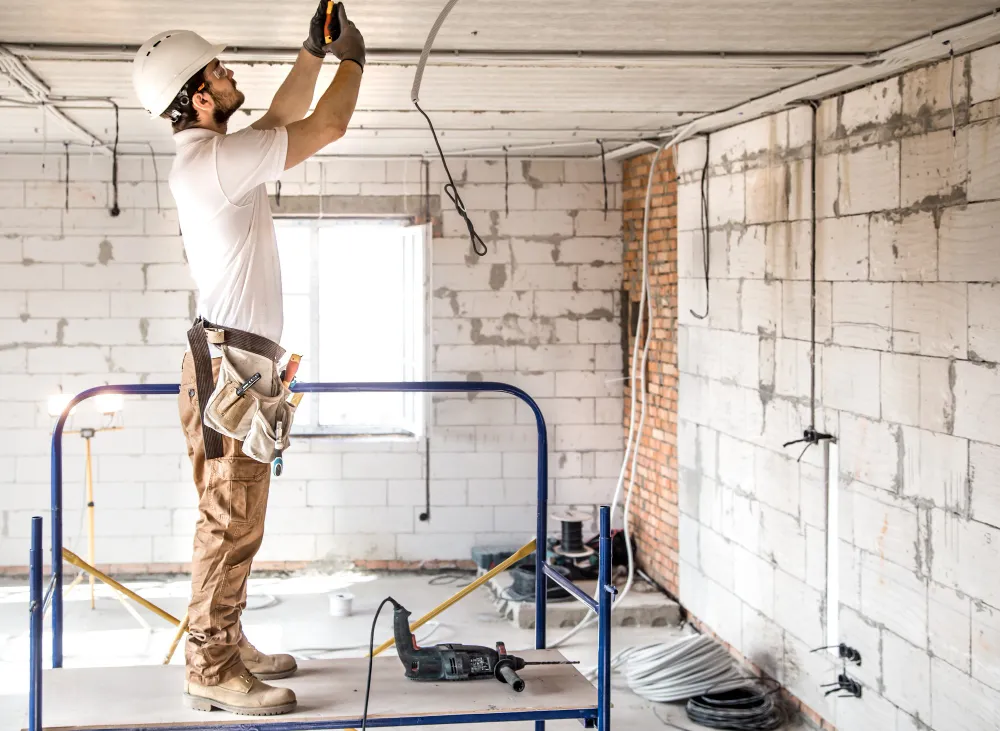
Home renovation projects can quickly become expensive without proper planning and execution. Many homeowners face challenges such as rising material costs, labour charges, and unexpected structural issues. However, with the right approach, you can strategically reduce Home Renovation Costs, maintain high-quality standards, and achieve your dream home without overspending. This comprehensive guide provides practical, expert-backed strategies that help you plan smarter, spend wisely, and avoid costly mistakes.
Top 13 Smart Ways to Reduce Home Renovation Costs & Save Money Without Compromising Quality
Let’s explore the 13 best ways to reduce home renovation costs & save money without compromising quality:
Set a Realistic Budget (The Foundation of Cost Control)
Creating a realistic and well-structured budget is the most critical step to reducing home renovation costs and maintain financial control throughout your project. Without a clear budget, homeowners often overspend due to poor planning, impulse decisions, and unforeseen issues. A detailed budget ensures that every expense is accounted for and aligned with your financial capacity.
Why Budgeting Is Critical
A carefully planned budget helps you:
- Gain complete clarity on how much you can realistically afford without financial strain or debt accumulation
- Prevent overspending by setting clear financial boundaries for each renovation component
- Prioritize essential upgrades (like plumbing and electrical work) over purely aesthetic improvements
- Make informed decisions when comparing materials, contractors, and design choices
- Avoid emotional or impulsive purchases that often lead to unnecessary expenses
How to Create a Detailed Budget
To build a strong budget, divide your costs into clearly defined categories:
- Design and planning costs: Architect fees, interior designer consultations, and layout planning expenses
- Material costs: Flooring, tiles, paint, fixtures, cabinetry, and raw materials required for construction
- Labour costs: Contractor charges, daily labour wages, specialist services like electricians or plumbers
- Permits and approvals: Government permissions, inspection charges, and documentation fees
- Miscellaneous expenses: Transportation, storage, site cleaning, and unexpected small purchases
The Contingency Rule (Non-Negotiable)
Unexpected costs are almost inevitable in renovation projects. Always allocate 10–20% of your total budget for:
- Hidden structural damage such as cracks, leaks, or weak foundations discovered during demolition
- Electrical rewiring or plumbing adjustments that were not initially planned
- Sudden price increases in materials due to market fluctuations
- Additional labour costs caused by delays or design changes
Example Budget Breakdown
For a ₹5,00,000 renovation:
- Materials: ₹2,00,000 (focus on durability and long-term value)
- Labour: ₹1,50,000 (includes skilled and unskilled workers)
- Fixtures & finishes: ₹80,000 (lighting, fittings, hardware)
- Miscellaneous: ₹20,000 (transport, cleaning, minor purchases)
- Contingency: ₹50,000 (reserved strictly for emergencies)
Pro Tip
- Track your expenses weekly using a spreadsheet or budgeting app. Monitoring small expenses regularly helps you identify overspending early and take corrective action before it becomes a major financial issue.
Plan Everything in Advance (Avoid Costly Changes)
Thorough planning is one of the most powerful ways to lower Home Renovation Costs and ensure a smooth renovation experience. Many homeowners underestimate the importance of pre-planning and end up making changes mid-project, which significantly increases costs. A well-prepared plan eliminates confusion, reduces delays, and keeps your renovation on track.
The Cost of Poor Planning
Lack of planning often leads to:
- Rework costs due to design changes after construction has already begun
- Wastage of materials that were purchased but no longer fit the updated design
- Delays in project timelines, increasing labour costs and inconvenience
- Miscommunication between contractors, leading to errors and additional expenses
What You Must Finalize Before Starting
Before the renovation begins, ensure you finalize:
- Complete layout and floor plan: Room structure, wall placements, and functional zones
- Electrical and plumbing points: Switchboards, lighting positions, water outlets, and drainage systems
- Material selection: Tiles, paint colors, flooring, fixtures, and finishes
- Furniture placement: Built-in storage, wardrobes, and modular furniture planning
- Lighting design: Natural and artificial lighting to enhance both aesthetics and functionality
Create a Detailed Renovation Plan
A proper plan should include:
- A clear timeline outlining each phase of the renovation
- A sequence of work (demolition → construction → finishing → installation)
- A schedule for material delivery to avoid delays
- Defined responsibilities for contractors and workers
Benefits of Advanced Planning
- Reduces last-minute decision-making stress
- Prevents unnecessary spending on changes and corrections
- Improves coordination between all parties involved
- Ensures faster project completion
Expert Insight
Industry experts often say:
- “The more time you invest in planning, the less money you spend fixing mistakes.”
Compare Multiple Contractor Quotes (Choose Value, Not Just Price)
One of the smartest ways to reduce Home Renovation Costs is to compare multiple contractor quotes before making a decision. Many homeowners make the mistake of hiring the first contractor they find, which can lead to higher costs or poor-quality work. Careful comparison ensures you get the best balance between price, quality, and reliability.
Why Comparing Quotes Is Essential
Different contractors can vary significantly in:
- Pricing structures and cost breakdowns
- Quality of materials used in construction
- Workmanship and experience levels
- Project timelines and completion efficiency
How Many Quotes Should You Get
Aim for at least 3 to 5 detailed quotes to:
- Understand the average market rate
- Identify overpriced or suspiciously cheap offers
- Gain better negotiation power
What to Compare (Beyond Price)
When evaluating quotes, focus on:
- Scope of work: Ensure all required tasks are clearly mentioned
- Material specifications: Check quality, brand, and durability
- Labour charges: Understand daily rates or fixed costs
- Project timeline: Estimated start and completion dates
- Warranty and after-service: Coverage for repairs or defects
Red Flags to Watch Out For
- Extremely low pricing that may indicate hidden costs later
- Lack of written agreements or unclear contracts
- Poor communication or delayed responses
- No portfolio, reviews, or references from past clients
Negotiation Strategies
- Ask for discounts on bulk material purchases
- Request bundled pricing for multiple services
- Compare quotes openly and use them as leverage
Pro Tip
- A slightly higher upfront cost for a reliable contractor can save you significantly more money in the long run by avoiding rework and repairs.
Choose Cost-Effective Materials Smartly
Selecting the right materials is one of the most impactful ways to reduce Home Renovation Costs while maintaining durability and aesthetics. Instead of choosing the most expensive options, focus on materials that offer the best balance between quality, longevity, and affordability.
Why Material Selection Matters
Materials typically account for a large portion of renovation expenses, so smart choices can:
- Reduce upfront costs significantly
- Lower long-term maintenance expenses
- Improve durability and lifespan of your renovation
Smart Material Strategy
Adopt a balanced approach:
- Invest in high-quality materials for high-use areas
- Save on decorative or low-impact elements
Where You Should Spend More
- Flooring in high-traffic areas: Durable materials prevent frequent replacements
- Kitchen countertops: Resistant to heat, stains, and scratches
- Plumbing fixtures: High-quality fittings reduce leakage and repair costs
- Electrical systems: Ensures safety and long-term reliability
Where You Can Save
- Decorative lighting fixtures that can be replaced easily
- Wall finishes and paint (use creative designs instead of expensive materials)
- Cabinet interiors where appearance is less important
- Accessories and hardware
Budget-Friendly Alternatives
- Hardwood → Laminates or vinyl flooring
- Marble → Ceramic or vitrified tiles
- Custom cabinetry → Modular kitchen units
- Designer tiles → Standard tiles with unique patterns
Smart Buying Tips
- Purchase materials during festive sales or clearance offers
- Buy in bulk to get discounts from suppliers
- Compare prices across multiple vendors before finalizing
Pro Tip
- Always evaluate materials based on cost vs durability vs maintenance, not just the initial price. Cheap materials often lead to higher long-term costs.
Renovate During the Off-Season (Timing Can Save You Thousands)
Choosing the right time to renovate is a highly effective way to lower Home Renovation Costs without compromising on quality. Many homeowners overlook timing, but renovation demand fluctuates throughout the year. By scheduling your project during off-peak seasons, you can secure better deals, faster timelines, and more focused attention from contractors.
Why Timing Matters in Renovation Costs
The cost of renovation is heavily influenced by demand:
- During peak seasons, contractors are overloaded with projects, leading to higher pricing and limited availability
- In off-seasons, contractors actively look for work, making them more flexible with pricing and negotiation
- Suppliers often provide discounts to maintain sales during slower periods
When Is the Best Time to Renovate?
In most regions, off-season periods include:
- Monsoon months: Lower demand for large-scale construction projects
- Late winter: Fewer homeowners initiate renovations during colder months
- Post-festival periods: Contractors are more available after peak festive rush
Benefits of Renovating in Off-Season
- Lower labour costs due to reduced demand
- Better negotiation opportunities with contractors and vendors
- Faster project completion because teams are less occupied
- Improved quality of work due to greater contractor focus
When to Avoid Renovation
- Festive seasons (Diwali, Christmas, etc.) when demand spikes
- Summer months when most homeowners start renovation projects
- Year-end rush when contractors are booked in advance
Pro Tip
- Book your contractor 2–3 months before the off-season begins to lock in lower rates and ensure availability.
Avoid Structural Changes (Minimize Expensive Modifications)
Making major structural changes is one of the fastest ways to decrease Home Renovation Costs if avoided strategically. Altering walls, plumbing systems, or electrical layouts significantly increases labour, material, and approval costs. By working within your existing structure, you can achieve impressive results while staying within budget.
Why Structural Changes Are Expensive
Structural modifications involve:
- Demolition and rebuilding costs
- Additional materials such as cement, steel, and bricks
- Skilled labour requirements (engineers, architects)
- Possible legal approvals and inspections
Examples of Costly Structural Changes
- Moving or removing walls
- Relocating kitchens or bathrooms
- Changing plumbing lines
- Rewiring entire electrical systems
Smart Alternatives to Structural Changes
Instead of modifying structure, consider:
- Reorganizing furniture layout for better functionality
- Using partitions or sliding panels instead of permanent walls
- Enhancing lighting to make spaces feel larger
- Using mirrors to create the illusion of space
Benefits of Avoiding Structural Work
- Saves significant labour and material costs
- Reduces project duration
- Minimizes risk of structural damage
- Eliminates approval and compliance complications
Pro Tip
- Focus on cosmetic upgrades like paint, lighting, and décor—they often deliver maximum visual impact at minimal cost.
Reuse and Recycle Existing Materials (Smart & Sustainable Savings)
Reducing waste is one of the most practical ways to reduce Home Renovation Costs while promoting sustainability. Instead of discarding everything during demolition, many materials in your home can be reused, refurbished, or repurposed. This approach not only cuts costs but also adds a unique, personalized touch to your space.
Why Reusing Materials Is a Smart Strategy
Reusing materials helps:
- Reduce overall material purchasing costs significantly
- Minimize waste disposal and transportation expenses
- Preserve high-quality materials that are still functional
- Add character and uniqueness to your home design
What Materials You Can Reuse
Look for items such as:
- Wooden doors, frames, and panels
- Kitchen cabinets (can be repainted or refaced)
- Tiles for smaller areas or decorative sections
- Bricks and reclaimed wood
- Lighting fixtures and hardware
Creative Upcycling Ideas
- Turn old wooden doors into tables, desks, or headboards
- Use reclaimed wood to build shelves or wall décor
- Repaint and polish existing cabinets for a modern look
- Convert old furniture into storage units or decorative pieces
Cost Comparison Insight
Refinishing cabinets can cost up to 60–70% less than replacing them entirely.
Environmental Benefits
- Reduces landfill waste
- Lowers demand for new raw materials
- Supports eco-friendly living practices
Pro Tip
- Before demolishing, conduct a material audit to identify items that can be reused or refurbished.
Invest in Energy-Efficient Upgrades (Save Long-Term Costs)
Making energy-efficient improvements is a smart way to lower Home Renovation Costs over time by reducing utility bills. While these upgrades may require an initial investment, they provide long-term savings, increase property value, and improve overall home comfort.
Why Energy Efficiency Matters
Energy-efficient homes:
- Consume less electricity and water
- Reduce monthly utility bills
- Improve indoor comfort and temperature control
- Increase resale value of the property
Key Energy-Efficient Upgrades
Consider installing:
- LED lighting systems: Consume significantly less energy than traditional bulbs
- Energy-efficient appliances: Refrigerators, washing machines, and air conditioners with high ratings
- Insulation: Prevents heat loss and reduces cooling/heating costs
- Solar panels: Long-term savings on electricity bills
- Water-saving fixtures: Reduce water usage and bills
Long-Term Cost Benefits
Although initial costs may be higher:
- Energy savings accumulate over time
- Maintenance costs are often lower
- Government incentives or rebates may be available
Additional Efficiency Improvements
- Seal gaps in windows and doors to prevent air leakage
- Install smart thermostats for better energy control
- Use natural lighting to reduce electricity usage
Pro Tip
- Focus on upgrades that provide high return on investment (ROI) within a few years.
Negotiate with Contractors and Suppliers (Maximize Your Budget)
Negotiation is a powerful yet often overlooked way to decrease Home Renovation Costs. Many homeowners accept initial quotes without discussion, but most contractors and suppliers are open to negotiation. With the right approach, you can secure better pricing, discounts, and added value without compromising quality.
Why Negotiation Is Important
Prices in renovation projects are often flexible due to:
- Competitive market conditions
- Bulk purchasing opportunities
- Contractor willingness to secure projects
What You Can Negotiate
- Labour charges and service fees
- Material costs (especially bulk orders)
- Delivery charges
- Project timelines
- Additional services or warranties
Effective Negotiation Strategies
- Compare multiple quotes and use them as leverage
- Be transparent about your budget limitations
- Ask for discounts on combined services
- Negotiate payment terms (installments instead of lump sum)
Mistakes to Avoid
- Aggressive bargaining that affects relationship with contractors
- Choosing the cheapest option without checking quality
- Ignoring contract details
Pro Tip
- Build a good relationship with your contractor—mutual trust often leads to better pricing and smoother execution.
Take on DIY Projects (But Be Strategic)
Taking a do-it-yourself approach is an excellent way to reduce Home Renovation Costs by saving on labour expenses. However, it’s important to strike the right balance between DIY and professional work. While simple tasks can be handled independently, complex jobs should still be left to experts to avoid costly mistakes.
Why DIY Can Save You Money
Labour costs often account for a large portion of renovation expenses. By doing some tasks yourself, you can:
- Eliminate or significantly reduce labour charges
- Gain better control over project timelines
- Customize your space according to your personal preferences
- Learn valuable skills for future maintenance and upgrades
DIY Tasks You Can Safely Handle
- Painting walls, ceilings, and trims with proper preparation and tools
- Installing basic fixtures such as curtain rods, shelves, or cabinet handles
- Assembling furniture and modular units
- Minor landscaping or outdoor improvements
- Simple décor work like wallpaper installation
Tasks You Should Avoid DIY
- Electrical wiring and installations (safety risks)
- Plumbing systems and pipe modifications
- Structural changes or wall demolition
- Waterproofing and roofing work
Benefits of a Hybrid Approach
- Combine DIY for simple tasks and professionals for complex work
- Save money without compromising safety or quality
- Maintain project efficiency and avoid delays
Pro Tip
- Invest in learning basic DIY skills through tutorials before starting. Poor DIY work can lead to higher repair costs later.
Rent Tools and Equipment Instead of Buying
Renting tools is a practical and effective way to lower Home Renovation Costs, especially for short-term projects. Many homeowners make the mistake of purchasing expensive tools that are rarely used again. Renting allows access to high-quality equipment without the burden of ownership costs.
Why Renting Tools Makes Financial Sense
Buying tools involves:
- High upfront costs
- Maintenance and repair expenses
- Storage challenges
- Limited usage after project completion
Renting eliminates these issues while providing professional-grade equipment.
Tools You Can Rent
- Power drills, cutters, and grinders
- Tile cutters and floor polishers
- Painting equipment like spray guns
- Ladders and scaffolding
- Heavy machinery for larger renovations
Benefits of Renting
- Access to the latest and well-maintained tools
- Lower overall project cost
- No need for long-term storage space
- Reduced maintenance responsibility
Cost Comparison Insight
Renting tools for a few days often costs a fraction of purchasing them outright, especially for specialized equipment.
Pro Tip
- Plan your work schedule in advance to maximize rental periods and avoid extra charges.
Maintain Flexibility Throughout the Project
Flexibility is essential if you want to decrease Home Renovation Costs and handle unexpected challenges effectively. Renovation projects rarely go exactly as planned, and rigid expectations can lead to costly delays or rushed decisions. Being adaptable helps you manage changes without overspending.
Why Flexibility Is Important
Unexpected situations may include:
- Material shortages or delays
- Sudden price increases
- Design limitations discovered during construction
- Weather-related disruptions
How Flexibility Saves Money
- Allows you to switch to alternative materials or suppliers
- Prevents project delays that increase labour costs
- Helps you make practical decisions instead of emotional ones
- Enables better problem-solving under pressure
Practical Ways to Stay Flexible
- Keep alternative material options ready
- Be open to minor design adjustments
- Maintain a buffer in your timeline
- Communicate regularly with contractors
Balancing Flexibility and Control
- Stay flexible without losing sight of your budget and priorities
- Avoid unnecessary upgrades that increase costs
Pro Tip
- Think of your renovation plan as a guide, not a rigid rulebook—adaptation is key to cost control.
Monitor Expenses and Avoid Scope Creep
Careful monitoring is crucial to reducing home renovation costs and ensure your project stays within budget. One of the biggest financial risks in renovation is “scope creep,” where additional features or changes gradually increase costs. Tracking expenses helps you stay disciplined and avoid unnecessary spending.
What Is Scope Creep?
Scope creep occurs when:
- You add new features beyond the original plan
- Upgrade materials impulsively
- Make frequent design changes during execution
Why It’s Dangerous
- Increases total project cost significantly
- Causes delays and workflow disruptions
- Leads to budget overruns and financial stress
How to Monitor Expenses Effectively
- Maintain a detailed record of all expenses
- Track labour, materials, and miscellaneous costs separately
- Review your budget weekly
- Compare planned vs actual spending
Strategies to Prevent Scope Creep
- Stick to your original renovation plan
- Prioritize needs over wants
- Set clear boundaries for upgrades
- Approve changes only after evaluating cost impact
Tools for Expense Tracking
- Spreadsheets (Excel/Google Sheets)
- Budgeting apps
- Contractor cost reports
Pro Tip
- Before approving any change, ask: “Is this necessary, or just a want?”
Conclusion: Smart Planning Leads to Smart Savings
Renovating your home doesn’t have to be financially overwhelming. By applying these 13 smart strategies to reduce Home Renovation Costs, you can maintain full control over your budget while achieving high-quality results.
From setting a realistic budget and planning thoroughly to choosing cost-effective materials and avoiding unnecessary structural changes, every decision plays a crucial role in managing expenses. Small, smart choices can lead to significant savings over the course of your renovation.
The key takeaway is simple:
- Plan carefully, spend wisely, and stay disciplined.
With the right mindset and approach, you can transform your home into a beautiful, functional space without overspending.
Save More on Renovation with Indian Mestri
Planning a home renovation on a budget? Indian Mestri helps you reduce costs without compromising quality. We connect you with verified mestris, contractors, plumbers, and electricians who deliver efficient, cost-effective solutions for every project.
Our services include:
- Affordable home renovation
- Kitchen and bathroom upgrades
- Electrical and plumbing work
- Painting and finishing services
With transparent pricing and skilled professionals, we ensure value for your investment.
📞 Call: +91 9945454581
👉 Get started with Indian Mestri today
FAQs
Can I really reduce renovation costs by doing everything myself?
While DIY projects can help reduce Home Renovation Costs, doing everything yourself is not always practical or safe. Simple tasks like painting or furniture assembly are manageable, but complex work such as electrical wiring, plumbing, or structural changes requires professionals. Poor DIY work can lead to expensive repairs later, increasing overall renovation costs instead of saving money.
What are the biggest mistakes that increase renovation costs?
The most common mistakes that increase renovation costs include poor planning, unclear budgets, and frequent design changes during execution. Hiring the cheapest contractor without checking quality can also lead to rework expenses. Additionally, ignoring hidden costs, skipping contingency funds, and making impulsive upgrades often result in significant financial overruns that could have been avoided with proper planning.
Are energy-efficient upgrades worth the investment?
Energy-efficient upgrades are definitely worth the investment because they provide long-term financial savings through reduced electricity and water bills. Although the initial cost may be higher, these upgrades improve comfort, increase property value, and lower maintenance expenses. Over time, the savings generated can outweigh the upfront cost, making them a smart and sustainable renovation choice.
How can I avoid unexpected renovation expenses?
To avoid unexpected renovation expenses, start with detailed planning and a realistic budget that includes a contingency fund of at least 10–20%. Work with experienced contractors, finalize designs before starting, and monitor expenses regularly. Being prepared for potential challenges and maintaining flexibility helps minimize financial surprises and keeps your renovation project under control.