
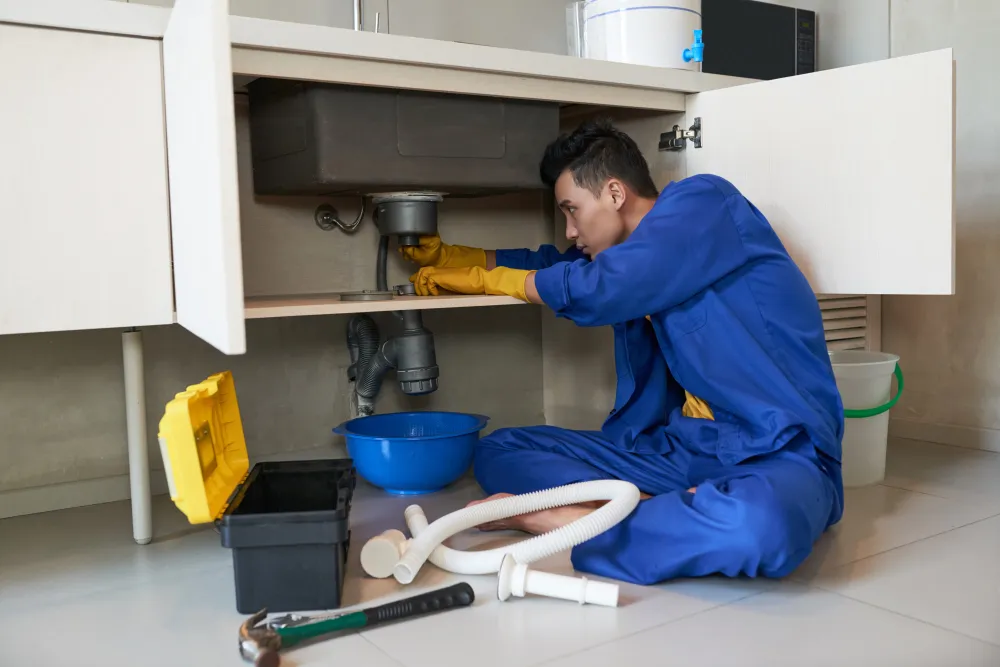
Plumbing systems form the backbone of every household, ensuring uninterrupted water supply, proper drainage, and sanitation. However, due to unique environmental and infrastructure challenges, plumbing issues in Indian homes are more common than most homeowners realize. Factors such as hard water, irregular municipal supply, aging pipelines, and poor installation practices significantly contribute to frequent plumbing failures.
In many Indian households, plumbing systems are often installed without proper long-term planning, leading to recurring problems like leaks, blockages, and pressure fluctuations. Additionally, the widespread use of overhead tanks, borewells, and varying water quality further increases the complexity of plumbing systems.
Understanding the common plumbing problems in India and how to fix them is essential for maintaining hygiene, preventing water wastage, and avoiding costly repairs. Small issues like dripping taps or slow drains may seem minor initially but can escalate into major structural damage if ignored.
Why Plumbing Issues Are Common in Indian Homes
Before diving into specific problems, it is important to understand why household plumbing problems are more frequent in India compared to other regions.
- Hard water deposits: High mineral content in water leads to scaling inside pipes, reducing flow efficiency and damaging fixtures over time, especially in areas dependent on borewell water.
- Irregular water supply: Intermittent municipal supply forces reliance on overhead tanks, creating pressure fluctuations that increase stress on pipes, taps, and plumbing connections.
- Aging infrastructure: Older homes often use GI pipes that corrode internally, leading to rust formation, leaks, and contamination of water supply systems.
- Poor installation practices: Incorrect pipe alignment, improper slope, and unskilled labor during installation can result in long-term plumbing inefficiencies and frequent breakdowns.
Top 7 Common Plumbing Issues in Indian Homes and How to Fix Them
Let’s explore the top 7 plumbing issues in indian homes and how to fix them:
Leaking Taps and Faucets
Leaking taps are among the most common plumbing issues in Indian homes, often ignored because they seem minor. However, even a slow drip can waste thousands of liters of water annually and increase water bills significantly. Continuous leakage also leads to staining, mold growth, and gradual damage to fixtures and surrounding surfaces.
In Indian conditions, factors such as hard water deposits, pressure fluctuations, and frequent usage accelerate wear and tear of internal tap components, making this issue more widespread.
Common Causes of Leaking Taps
- Worn-out rubber washers: Constant friction and water pressure gradually wear out rubber washers, preventing proper sealing and causing continuous dripping from the faucet over time.
- Corroded valve seat: Mineral deposits from hard water accumulate on the valve seat, leading to corrosion and uneven surfaces that prevent tight sealing and cause persistent leaks.
- Loose or damaged O-rings: O-rings used for sealing internal tap components can deteriorate or loosen, allowing water to escape through small gaps around the tap structure.
- High water pressure: Excessive water pressure increases stress on tap components, accelerating wear and causing internal parts to fail, resulting in continuous leakage issues.
How to Fix Leaking Taps
- Replace damaged washer: Turn off the water supply, dismantle the tap carefully, and install a new washer to restore proper sealing and stop water leakage effectively.
- Clean valve seat: Remove mineral deposits using descaling solutions or replace the valve seat if corrosion is severe and affecting proper sealing.
- Replace O-rings: Inspect O-rings for wear or looseness and replace them with new ones to prevent leakage from joints and ensure proper sealing.
- Install pressure regulator: If high pressure is the issue, install a pressure regulator to maintain safe water pressure levels and protect plumbing components.
Clogged Drains
Clogged drains are one of the most common plumbing problems in India, especially in kitchens and bathrooms. Over time, materials like food waste, grease, soap residue, and hair accumulate inside pipes, restricting water flow and causing slow drainage or complete blockage.
In Indian households, improper waste disposal and lack of regular cleaning contribute significantly to this issue, making it a recurring problem.
Common Causes of Clogged Drains
- Grease and oil buildup: Cooking oil and grease solidify inside pipes over time, sticking to pipe walls and gradually blocking water flow completely.
- Hair accumulation: Hair strands from bathrooms collect inside drain pipes, forming clumps that trap other debris and create stubborn blockages.
- Food waste disposal: Food particles washed into kitchen sinks accumulate in pipes, causing slow drainage and eventual clogging if not properly filtered.
- Soap residue buildup: Soap and detergent residue combine with minerals in hard water, forming deposits that reduce pipe diameter and restrict water flow.
How to Fix Clogged Drains
- Use drain cleaning tools: Use a plunger or drain snake to remove blockages manually and restore normal water flow in clogged pipes.
- Apply natural cleaning solutions: Pour hot water mixed with baking soda and vinegar to break down grease and organic waste inside pipes effectively.
- Install drain filters: Use mesh filters in sinks and bathroom drains to prevent hair, food particles, and debris from entering pipes.
- Avoid improper waste disposal: Do not pour grease, oil, or food waste into drains, as they are primary causes of recurring blockages.
Low Water Pressure
Low water pressure is another common plumbing issue in Indian homes, especially in multi-story buildings or areas with inconsistent municipal supply. It can make daily tasks like bathing, washing dishes, and cleaning extremely inconvenient.
This issue is often caused by pipe blockages, leaks, or problems with water supply systems such as overhead tanks and pumps.
Common Causes of Low Water Pressure
- Pipe blockages from scaling: Hard water deposits accumulate inside pipes, narrowing the flow path and reducing water pressure significantly over time.
- Hidden pipe leaks: Undetected leaks in pipelines reduce water flow reaching outlets, resulting in noticeably low pressure across fixtures.
- Faulty pressure pump: Malfunctioning water pumps fail to maintain adequate pressure, especially in buildings relying on overhead tanks.
- Partially closed valves: Valves that are not fully open restrict water flow, reducing pressure across taps and shower systems.
How to Fix Low Water Pressure
- Clean or replace pipes: Remove scaling deposits using cleaning solutions or replace heavily clogged pipes to restore proper water flow.
- Check for leaks: Inspect plumbing lines for hidden leaks and repair them to prevent water loss and improve pressure.
- Repair pressure pump: Ensure the water pump is functioning properly and replace faulty components if necessary.
- Open valves completely: Check all valves in the system and ensure they are fully open to allow unrestricted water flow.
Running Toilet (Continuous Water Flow)
A running toilet is one of the most overlooked yet costly plumbing issues in Indian homes, especially in apartments and independent houses using overhead tanks. When water continuously flows inside the toilet tank without stopping, it leads to significant water wastage and higher utility bills. Many homeowners ignore this issue because it is not immediately visible, but over time it can waste hundreds of liters of water daily.
In Indian conditions, this issue is often caused by poor-quality fittings, hard water deposits, or wear and tear of internal components. Since toilets are used frequently, even minor component failures can result in continuous water leakage.
Common Causes of a Running Toilet
- Faulty flapper valve: The flapper inside the tank may not seal properly due to wear, allowing water to continuously leak from the tank into the bowl without stopping.
- Float imbalance: Incorrect float height can cause the tank to overfill, forcing excess water to drain continuously through the overflow pipe instead of stopping at the correct level.
- Mineral deposits build up: Hard water deposits accumulate on internal components, preventing smooth movement of parts and causing improper sealing inside the toilet tank system.
- Worn-out fill valve: A damaged or aging fill valve may fail to shut off water supply properly, leading to continuous filling and overflow inside the tank.
How to Fix a Running Toilet
- Replace flapper valve: Install a new flapper to ensure proper sealing between the tank and bowl, stopping continuous water leakage and restoring efficient toilet operation.
- Adjust float level: Set the float to the correct height so that the water level stops filling at the appropriate level inside the tank.
- Clean internal components: Remove mineral deposits using descaling solutions to ensure smooth functioning of moving parts within the toilet tank system.
- Replace fill valve: Install a new fill valve if the existing one is faulty to regulate water flow and prevent continuous filling issues.
Pipe Leakage and Burst Pipes
Pipe leakage is one of the most common plumbing problems in India, especially in older homes or buildings with outdated piping systems. Leaks can occur inside walls, under floors, or in visible plumbing lines, leading to water damage, structural issues, and mold growth.
In Indian households, factors such as high water pressure, corrosion due to hard water, and temperature changes contribute significantly to pipe damage. If not addressed promptly, small leaks can develop into burst pipes, causing major flooding and costly repairs.
Common Causes of Pipe Leakage
- Corrosion in metal pipes: Older GI pipes corrode over time due to continuous exposure to water and minerals, weakening pipe walls and leading to leaks or cracks.
- High water pressure: Excessive pressure inside pipes puts stress on joints and connections, increasing the likelihood of leaks or sudden pipe bursts.
- Poor pipe installation: Improper pipe alignment, weak joints, or low-quality materials used during installation can result in long-term leakage problems.
- Temperature fluctuations: Changes in temperature cause pipes to expand and contract, weakening joints and leading to cracks or leakage over time.
How to Fix Pipe Leakage
- Seal minor leaks temporarily: Use pipe sealants or repair tapes as a temporary solution to stop small leaks until permanent repairs are carried out.
- Replace damaged pipe sections: Cut out the damaged portion of the pipe and install a new section to ensure long-term durability and prevent further leakage.
- Install pressure regulator: Reduce excessive water pressure by installing a regulator to protect pipes and prevent future leakage issues.
- Upgrade old piping system: Replace outdated GI pipes with modern materials like PVC or CPVC for improved durability and resistance to corrosion.
Dripping or Leaking Shower
A dripping shower is another common plumbing issue in Indian homes, often caused by worn-out internal components or pressure imbalance. While it may appear similar to leaking taps, showers involve more complex mechanisms such as mixers and concealed piping, making the issue slightly more complicated.
In Indian bathrooms, where water quality often contains minerals, shower components are prone to scaling and damage. Continuous dripping not only wastes water but also increases humidity levels, leading to mold growth and tile damage.
Common Causes of Leaking Shower
- Damaged cartridge or valve: Internal cartridges or valves may wear out over time, preventing proper control of water flow and causing continuous dripping from the shower head.
- Hard water scaling: Mineral deposits accumulate inside shower heads and valves, restricting movement and causing improper sealing that leads to leakage.
- Loose pipe connections: Connections behind the wall or within the shower system may loosen over time, allowing water to leak even when the shower is turned off.
- Faulty mixer tap: Mixer taps controlling hot and cold water may malfunction, leading to imbalance and continuous water dripping from the shower outlet.
How to Fix a Leaking Shower
- Replace cartridge or valve: Install a new cartridge or valve inside the shower system to restore proper control and stop water leakage effectively.
- Clean shower head and components: Remove scaling deposits using descaling solutions to ensure smooth functioning and proper sealing of internal parts.
- Tighten pipe connections: Inspect and tighten loose connections within the shower system to prevent leakage from concealed or visible joints.
- Repair or replace mixer tap: Fix faulty mixer taps or replace them entirely to ensure proper regulation of water flow and eliminate dripping issues.
Water Heater (Geyser) Problems
Water heater or geyser issues are very common plumbing issues in Indian homes, especially during winter or in regions with hard water. Geysers are heavily used appliances, and problems such as no hot water, inconsistent temperature, or leakage can disrupt daily routines significantly. In Indian households, where both electric and gas geysers are used, improper maintenance often leads to performance issues.
Hard water plays a major role in damaging geyser components by forming scale inside the tank and heating elements. Over time, this reduces efficiency, increases energy consumption, and may even cause complete failure of the system.
Common Causes of Geyser Problems
- Sediment buildup inside tank: Hard water minerals settle at the bottom of the tank, forming a thick layer that reduces heating efficiency and damages internal components over time.
- Faulty heating element: Continuous usage and scaling can damage the heating element, preventing water from heating properly or causing inconsistent temperature output.
- Pressure valve malfunction: A defective pressure relief valve may cause leakage or pressure imbalance, affecting geyser performance and safety.
- Electrical connection issues: Loose wiring or faulty thermostats can interrupt power supply to the geyser, preventing it from heating water efficiently.
How to Fix Geyser Problems
- Flush the tank regularly: Remove sediment buildup by flushing the geyser tank periodically to improve efficiency and extend the lifespan of internal components.
- Replace heating element: Install a new heating element if the existing one is damaged to restore proper heating performance.
- Check pressure valve: Inspect and replace faulty pressure relief valves to maintain safe pressure levels inside the geyser.
- Repair electrical connections: Ensure proper wiring and replace damaged thermostats to restore efficient operation of the geyser system.
Sewer Line Blockage
Sewer line blockage is one of the most common plumbing problems in India, often leading to unpleasant odors, slow drainage, and even wastewater backup into homes. This issue is particularly common in urban areas with old drainage systems or improper waste disposal practices.
In Indian households, improper disposal of solid waste, grease, sanitary products, and food particles into drains is a major cause of sewer blockages. Over time, these materials accumulate and restrict the flow of wastewater, causing serious hygiene and health concerns.
Common Causes of Sewer Line Blockage
- Solid waste disposal: Non-biodegradable materials like plastic, sanitary pads, and wipes clog sewer lines, preventing proper flow and causing backups.
- Grease and oil accumulation: Cooking oil and grease solidify inside pipes, sticking to walls and gradually blocking sewer lines over time.
- Tree root intrusion: Roots from nearby trees can penetrate underground pipes, blocking or damaging sewer lines and restricting wastewater flow.
- Aging drainage system: Old or damaged sewer pipes may collapse or crack, causing blockages and preventing smooth drainage.
How to Fix Sewer Line Blockage
- Use professional drain cleaning: Hire professionals to clear blockages using advanced tools like drain jets or mechanical cleaning equipment for effective results.
- Avoid improper waste disposal: Do not flush solid waste, grease, or non-degradable materials into drains to prevent future blockages.
- Inspect sewer lines regularly: Conduct periodic inspections to identify early signs of blockage or damage in underground pipes.
- Replace damaged pipelines: Upgrade old or damaged sewer lines to ensure smooth and efficient wastewater flow.
Noisy Pipes (Water Hammer Problem)
Noisy pipes, often called water hammer, are the common yet ignored plumbing issues in Indian homes, especially in buildings with high water pressure or poorly installed pipelines. This issue creates loud banging or knocking sounds when water flow suddenly stops or changes direction. While it may seem harmless, it indicates pressure imbalance inside pipes.
In Indian households, this problem is more noticeable due to overhead tank systems and sudden valve closures. If ignored, it can damage pipes, joints, and fittings over time.
Common Causes of Noisy Pipes
- Sudden valve closure: When taps or valves are closed quickly, water flow stops abruptly, creating pressure waves that cause pipes to vibrate and produce loud banging noises.
- High water pressure: Excessive pressure inside pipes increases force during water flow changes, leading to strong vibrations and noise throughout the plumbing system.
- Lack of air chambers: Absence of air cushions in pipes fails to absorb pressure changes, causing shockwaves that result in water hammer sounds.
- Loose pipe fittings: Poorly secured pipes or joints move when pressure changes occur, amplifying noise and increasing risk of damage.
How to Fix Noisy Pipes
- Install pressure regulator: Reduce water pressure to safe levels to minimize stress on pipes and eliminate loud banging sounds effectively.
- Add air chambers: Install air chambers or water hammer arrestors to absorb pressure shocks and prevent pipe vibrations.
- Secure loose pipes: Tighten or fix pipe supports to prevent movement and reduce noise caused by vibrations.
- Control valve operation: Close taps and valves slowly to reduce sudden pressure changes and avoid water hammer effects.
Overflowing Water Tanks
Overflowing water tanks are one of the most wasteful common plumbing problems in India, especially in homes using overhead tanks for water storage. This issue leads to significant water wastage, increased bills, and potential structural damage due to continuous overflow.
In Indian households, this problem is often caused by faulty float valves, lack of automatic control systems, or negligence in monitoring tank levels. Continuous overflow can also weaken building structures over time.
Common Causes of Overflowing Tanks
- Faulty float valve: A damaged float valve fails to stop water flow once the tank is full, causing continuous overflow.
- Manual monitoring negligence: Lack of timely monitoring leads to tanks overflowing, especially when water supply timings are irregular.
- Improper tank installation: Incorrect positioning or leveling of tanks can affect float valve functionality and water control.
- High water pressure supply: Strong incoming water flow can overpower float valves, causing overflow even when systems are partially functional.
How to Fix Overflowing Tanks
- Replace float valve: Install a new float valve to ensure automatic stopping of water flow once the tank reaches its capacity.
- Install automatic controller: Use water level controllers to automate tank filling and prevent overflow completely.
- Monitor water levels regularly: Keep track of water supply timings and tank levels to avoid unnecessary overflow.
- Adjust inlet pressure: Regulate incoming water pressure to ensure proper functioning of tank control mechanisms.
Conclusion
We have covered a detailed guide on the top plumbing issues in Indian homes and how to fix them, helping homeowners understand the most common problems and their solutions. From leaking taps and clogged drains to sewer blockages and overflowing tanks, each issue requires timely attention. Proper maintenance, early detection, and professional support can prevent costly repairs and water wastage. By addressing these common plumbing problems proactively, you can ensure a safe, efficient, and long-lasting plumbing system in your home.
Need To Solve Plumbing Issues in Bangalore?
If you are facing any of these plumbing issues in Indian homes, it’s always better to consult professionals instead of delaying repairs.
At Indian Mestri, we connect you with:
- Verified plumbing contractors
- Experienced mestris
- Reliable repair services
- Transparent pricing
From leak repairs to complete plumbing installations, our team ensures quality workmanship, timely service, and long-term solutions. Contact us and get expert plumbing solutions for your home today.
FAQs
What are the most common plumbing issues in Indian homes?
The most common plumbing issues in Indian homes include leaking taps, clogged drains, low water pressure, pipe leakage, running toilets, and sewer blockages. These problems are often caused by hard water, aging pipes, and poor maintenance practices. Ignoring these issues can lead to water wastage, higher bills, and structural damage. Regular inspection, timely repairs, and proper usage habits can help homeowners prevent major plumbing failures effectively.
Why are plumbing problems so common in Indian households?
Plumbing problems are common in Indian households due to factors such as hard water, irregular municipal supply, and outdated infrastructure. Mineral deposits from hard water damage pipes and fixtures over time. Inconsistent water pressure stresses plumbing systems, while poor installation practices increase long-term issues. Additionally, lack of regular maintenance and improper waste disposal contribute significantly to recurring plumbing problems in many Indian homes across different regions.
How can I prevent common plumbing problems at home?
You can prevent common plumbing problems in Indian homes by performing regular maintenance and following proper usage practices. Avoid disposing of grease, food waste, or non-degradable items into drains. Clean pipes periodically to remove buildup and check for leaks early. Ensure proper water pressure and use quality plumbing materials during installation. Scheduling annual inspections with professional plumbers also helps identify and fix potential issues before they become serious problems.
When should I call a professional plumber?
You should call a professional plumber when plumbing issues like pipe leakage, sewer blockages, low water pressure, or continuous water flow persist despite basic troubleshooting. Complex problems require specialized tools and expertise for proper diagnosis and repair. Delaying professional help can worsen the issue, causing structural damage or increased repair costs. Hiring a trained plumber ensures safe, efficient, and long-lasting solutions for your home’s plumbing system.
Can hard water damage plumbing systems in India?
Yes, hard water is a major cause of plumbing issues in Indian homes. It contains high mineral content that leads to scaling inside pipes, taps, and appliances over time. This buildup reduces water flow, damages fixtures, and decreases efficiency. Hard water can also shorten the lifespan of geysers and washing machines. Installing water softeners and performing regular cleaning can help minimize damage and improve overall plumbing performance.
What causes low water pressure in Indian homes?
Low water pressure in Indian homes is commonly caused by pipe blockages due to hard water scaling, hidden leaks, faulty pumps, or partially closed valves. Irregular municipal supply and overhead tank systems can also contribute to inconsistent pressure. Over time, mineral buildup reduces pipe diameter, restricting flow. Identifying the root cause early and maintaining plumbing systems properly helps restore normal pressure and prevent further issues effectively.
Is pipe leakage a serious plumbing problem?
Yes, pipe leakage is one of the most serious plumbing issues in Indian homes. Even small leaks can cause water wastage, mold growth, and structural damage over time. Hidden leaks inside walls or floors can weaken building foundations if left untreated. Early detection and timely repair are essential to prevent costly damage. Regular inspection and upgrading old pipes can significantly reduce the risk of leakage problems.
How often should plumbing systems be inspected?
Plumbing systems should be inspected at least once a year to identify potential issues such as leaks, blockages, or corrosion early. Regular inspection helps maintain efficiency and prevents costly repairs. In homes with hard water or older piping systems, more frequent checks may be necessary. Professional inspections ensure all components are functioning properly and help extend the lifespan of your plumbing system significantly over time.
How can Indian Mestri help with plumbing services in Bangalore?
Indian Mestri helps homeowners solve plumbing issues in Indian homes by connecting them with verified and skilled plumbing professionals. The platform offers services such as leak repairs, pipe installation, drain cleaning, and complete plumbing solutions. With trained mestris, transparent pricing, and reliable service, Indian Mestri ensures high-quality workmanship. Homeowners can depend on timely project completion and professional support for all residential plumbing needs.